SCREAM NOTE Tips and Tricks
Launch-week shortcuts that turn notebook chaos into controlled betrayal.
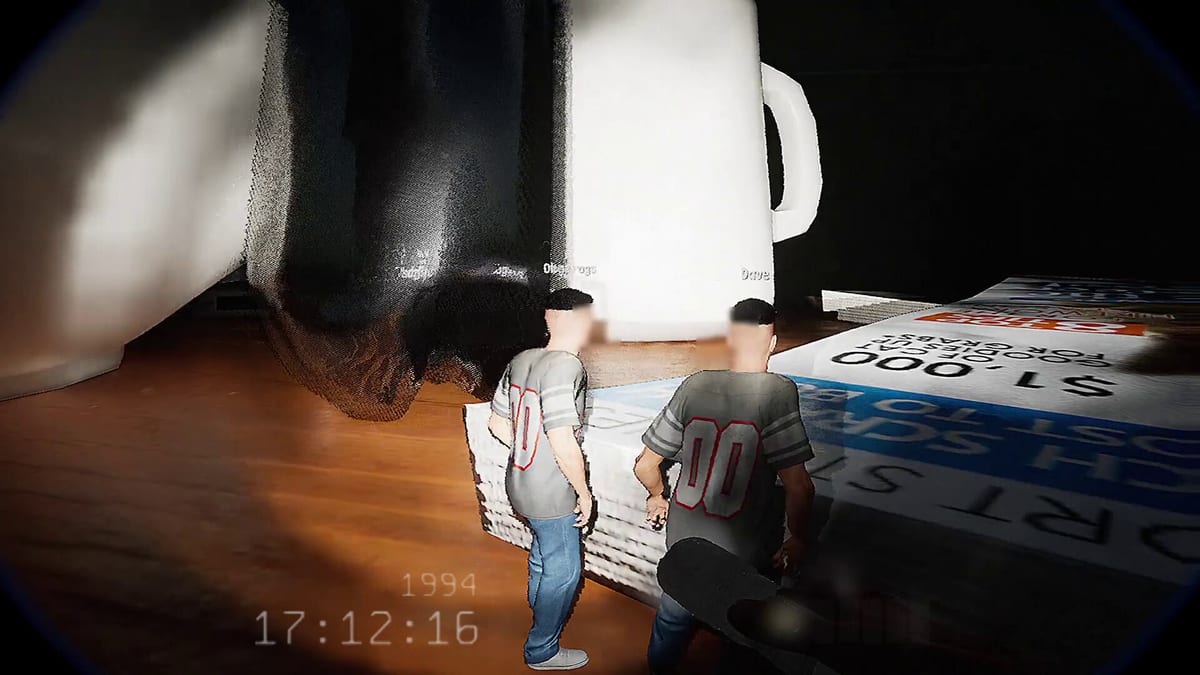
SCREAM NOTE looks simple on paper — find pages, write names, survive — but launch-week lobbies prove the gap between reading Steam marketing and winning elimination mode. REAL PLAYERS built a social horror sandbox where replayability comes from scare variety and the fact that every group turns on each other differently. These tips compress community wisdom and store-page mechanics into actionable habits for your second through twentieth match.
Pair this page with the getting started guide for first-match flow and the Scream Note mechanic for UI details.
Notebook stealth fundamentals
The signature Scream Note loop fails if victims see you holding or writing before the monster spawns. Community guides emphasize timing over scare tier:
- Crouch behind furniture before opening the notebook UI — line of sight breaks matter more than distance.
- Save pages for distraction moments — when your friend loots a closet, argues about map direction, or watches someone else get chased.
- Never confirm a scare while facing the victim — turn your camera toward a wall or stairwell first.
- Bank two pages — fire a small scare to bait counter-pages, then spend tier-S on strike three per the jumpscare tier list.
Anonymity is the mechanic. Authors who get caught writing lose social cover for the rest of the round.
Strike economy tips
Three strikes eliminate you. Treat strikes like health in a battle royale:
| Strike count | Priority |
|---|---|
| 0 | Gather intel, stay mid-group, hoard one page |
| 1 | Stick in pairs, avoid bridges alone |
| 2 | Bodyguard allies or fake vulnerability to bait wastes |
| 3 | Eliminated — spectate voice for next-round grudges |
Target players at strike two when you want eliminations — the lobby psychologically abandons them. Defensive players at strike one should call pickups transparently in cooperative-hybrid lobbies to reduce suspicion.
Full elimination tactics live in winning strategies.
Voice chat mind games
Proximity voice chat is information warfare, not flavor:
- Fake help on one floor while writing on another — classic alibi setup.
- Go silent when plotting — sudden quiet reads guilty to experienced players.
- Defend someone loudly — then write their name; betrayal hits harder when trust was vocal.
- Call fake strike counts — misinformation is legal; panic causes movement errors near map hazards.
Discord push-to-talk bypasses proximity rules. Pick one primary voice channel per session — mixing both confuses callouts.
Delay timer mastery
Set a delay, move to your alibi position, let the monster spawn while you are elsewhere. Practice timing on the Scare Timer tool between matches.
Best delay targets:
- Victim crossing a bridge — marketing highlights five-floor falls after last-second scares.
- Group regrouping near exit — cooperative escape collapses when timed scares fire mid-rush.
- Streamer reading chat — Streamer Mode lobbies punish divided attention.
Cooperative escape tips
When your group commits to exit together:
- Assign pairs plus one pathfinder who read the map guide.
- Announce every page pickup — transparency reduces accidental betrayal.
- Rush the exit door together from one floor below — solo targets die on the threshold.
- Expect betrayal anyway — design incentivizes bridge trolls; read escape walkthrough defenses.
Common rookie mistakes
- Looting alone on strike one — isolation invites coordinated scares from multiple authors.
- Firing the first scare of the round — you become public enemy number one unless you blame lag.
- Enabling PC-reach scares without group consent — disable in controls until everyone opts in.
- Hoarding three pages silently — groups assume betrayal and preemptively target you.
- Chasing monsters into dead ends — sprint toward open stairwells; chases follow victims through connected spaces.
Strangers vs friends
Store copy describes playing with friends to ruin friendships or with strangers to make new ones — then ruin those too. Stranger lobbies need faster boundary setting: agree on PC-reach, Streamer audience scares, and win condition in text chat before load-in. Friend lobbies carry memory between rounds — betrayal works once per session before the group meta-shifts.
See co-op multiplayer for alliance and secret-teaming dynamics.
Launch week maintenance
- Verify game files after Steam updates — Properties → Installed Files.
- Re-read updates hub before weekend sessions — hotfixes may rename settings toggles.
- Report reproducible bugs on Steam discussions with player count and scare type.
- Ignore fake promo codes — codes hub lists verified keys only.
Quick reference
| Goal | Read next |
|---|---|
| First match | Getting started |
| Best scares | Jumpscare tier list |
| Fix crashes | Troubleshooting |
| Similar games | Games like SCREAM NOTE |
Tips expire when patches land — bookmark the updates hub and return after every Steam news post.
Frequently Asked Questions
Quick answers about SCREAM NOTE gameplay and this wiki.
What is the best beginner tip?
Stay mid-group on strike zero, hoard one page, and never open the notebook UI while victims have line of sight.
How do I stay anonymous?
Write names behind cover, use delay timers, and establish alibis on another floor before confirming scares.
Should I trust allies in escape mode?
Cooperate mechanically but expect betrayal on bridges — design rewards last-second notebook plays.
Are delay timers worth learning?
Yes — they separate authors from monster spawns and enable bridge and exit sabotage.
Where do tips come from?
Steam store mechanics, community summaries, and launch-week player patterns — not invented patch notes.